Thermal Mapping

Thermographic aerial surveys allow for the precise and comprehensive recording of energy conditions – from detecting heat loss in buildings to analyzing entire infrastructures.

Overview of thermography services

  • Thermal flights with thermal imaging cameras
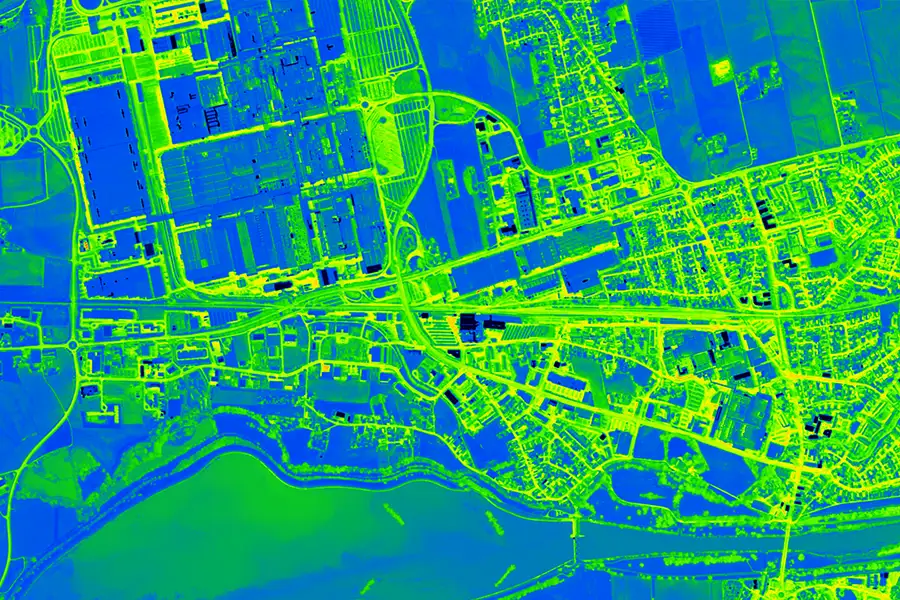
  • Capturing the thermal image of the Earth's surface
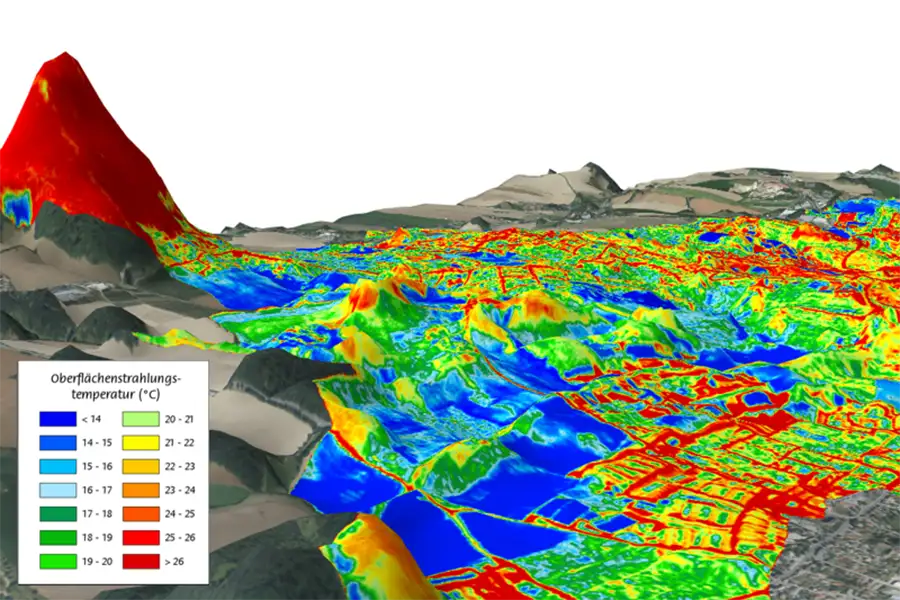
  • Creation of heat emission maps
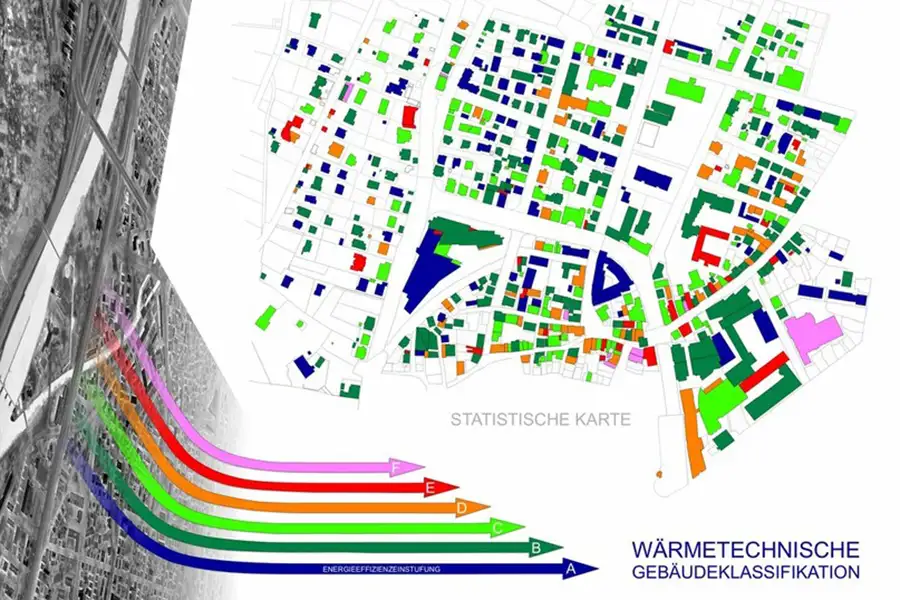
  • Definition of heat loss classes

Applications of thermography

  • Geographical climate analyses
  • Municipal climate assessments
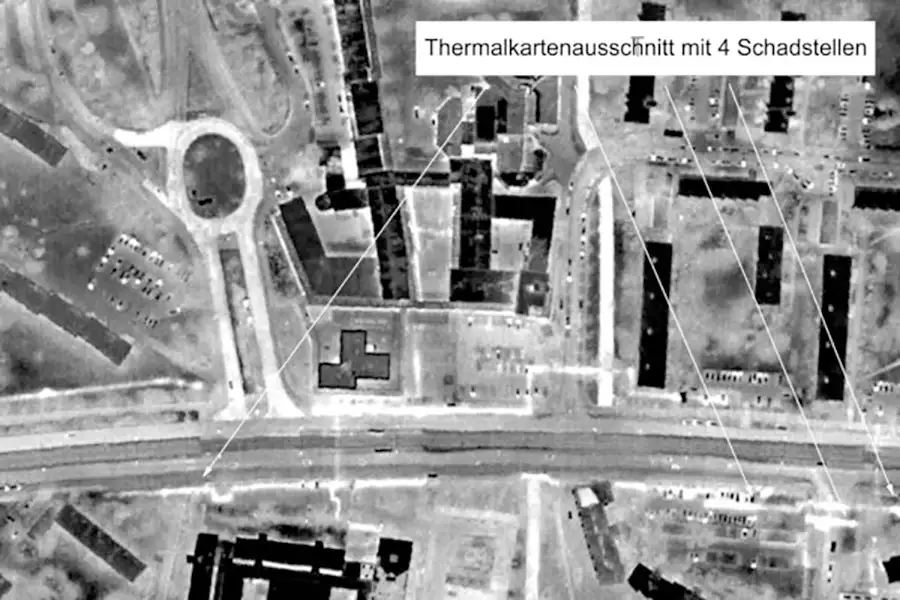
  • Identification of heat loss sources
  • Safety inspections of district heating pipes
Thermal Mapping


Precise geodata for your project?


Contact us – we will advise you individually and develop the right solution.
Inquire now.

TÜV ProfiCert

Thermography in detail

In 2022, GeoFly GmbH acquired the thermography services of SCANDAT Gesellschaft für innovative Fernerkundungstechnologien mbH. This expands our technically sound range of services in the field of aerial thermographic surveys, and we are pleased to combine the expertise of this successful family business with our own know-how.

Remote sensing methods are an effective tool for inspecting underground pipeline systems for cold and hot media such as gas, water, and oil. The advantages of airborne data collection using various sensor systems are particularly evident in rugged and extensive areas. Through the specific analysis of infrared images and the precise georeferencing of thermal anomalies, operational disruptions along the pipeline route can be located and documented within short timeframes.

Application areas of thermography


Our references

Selected examples of our work

City of Dingolfing

For the city of Dingolfing, heat islands and cold air corridors were made visible by means of thermographic aerial surveys.

City of Leipzig

In Leipzig, the thermographic aerial survey provided important data on the condition of the district heating network and helped to detect energy losses early.

City of Nuremberg

For the city of Nuremberg, district heating pipes were examined using thermographic aerial surveys to identify damage and heat losses.